Adventure tourism is travel built around active, outdoor or nature-based experiences that involve participation, discovery, challenge and managed risk. It can range from an accessible guided walk to a technically demanding expedition.
What makes tourism “adventurous”?
Adventure tourism usually combines several of the following:
- Active participation: the visitor does something rather than only observing.
- Place and environment: the experience is shaped by a natural, rural, cultural or outdoor setting.
- Challenge or uncertainty: physical, emotional, technical or environmental factors require engagement and judgement.
- Learning and discovery: participants gain knowledge, skill, perspective or connection with the destination.
- Managed risk: competent planning, equipment, supervision and emergency preparation support an experience appropriate to the participants.
Types of adventure tourism
Soft adventure tourism
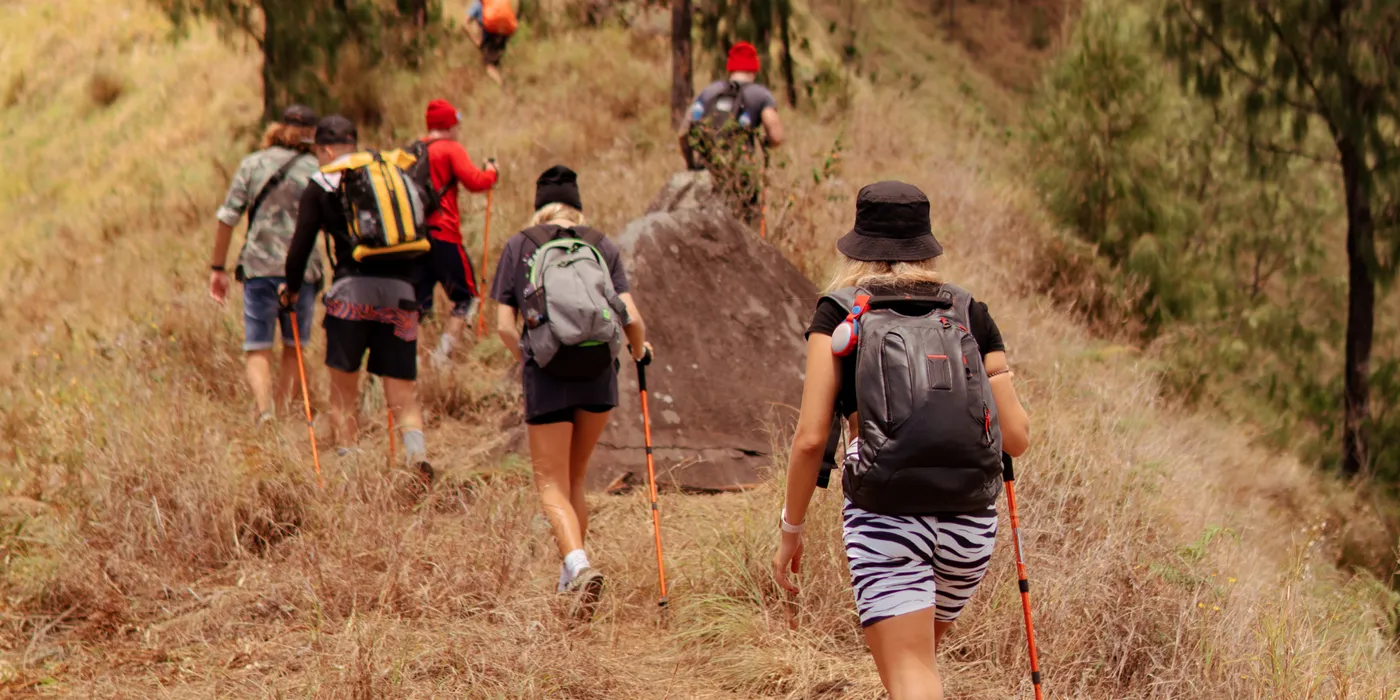
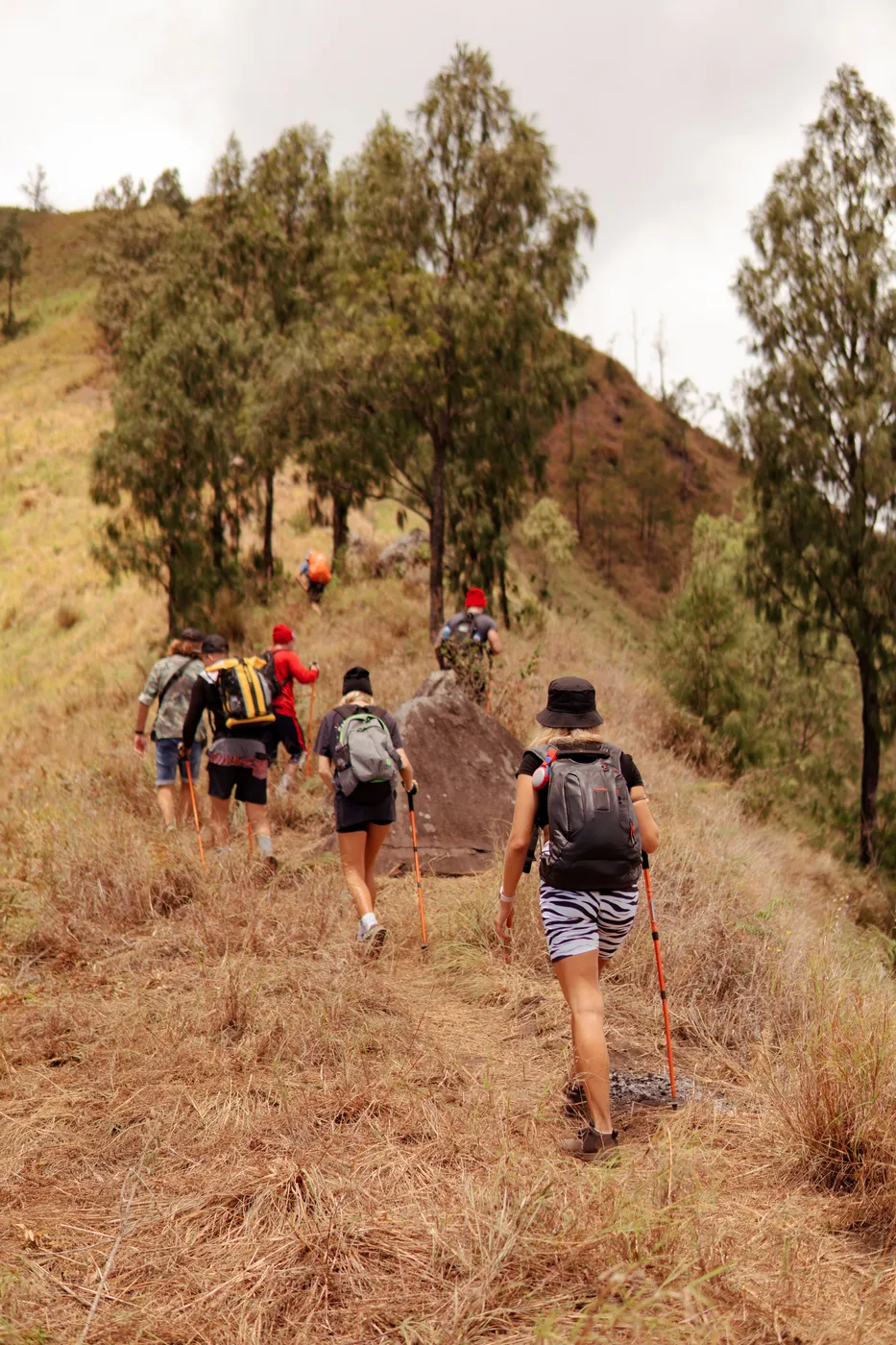
Soft adventure generally describes lower-barrier experiences that need limited specialist skill and are accessible to a wider range of participants. Examples may include guided day hikes, introductory paddling, accessible nature experiences, easy cycle tours and supported overland journeys.
Hard adventure tourism
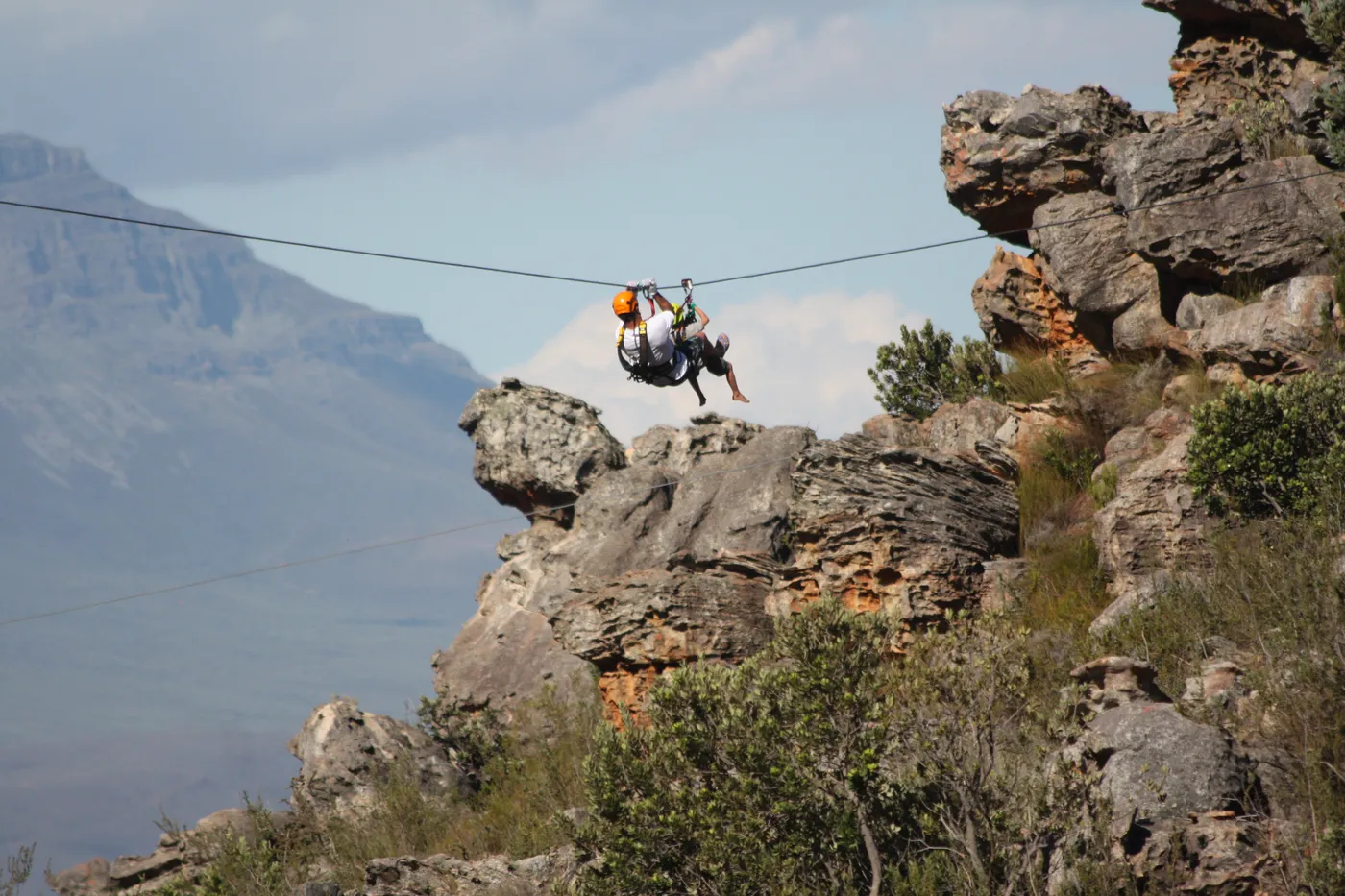
Hard adventure generally describes experiences with greater physical, technical or environmental demands. Examples may include mountaineering, multi-day wilderness expeditions, advanced rafting, technical canyoning, caving or remote off-road travel.
“Soft” does not mean risk-free and “hard” does not mean reckless. Every activity still needs competent planning and risk management suited to the people, environment and conditions.
Examples of adventure tourism activities
Land & mountain
Hiking, trekking, mountaineering, climbing, abseiling, caving, mountain biking, trail running and horse trails.
Water
Rafting, river guiding, kayaking, canoeing, sailing, diving, coastal journeys and other water-based experiences.
Vehicle & journey
4×4 routes, overlanding, adventure motorcycling, quad-bike experiences and remote multi-day journeys.
Activities can overlap with nature and culture tourism. A hiking experience, for example, may include interpretation of landscapes, biodiversity, history and communities as well as the physical journey.
Adventure tourism versus an Adventure Tourist Guide
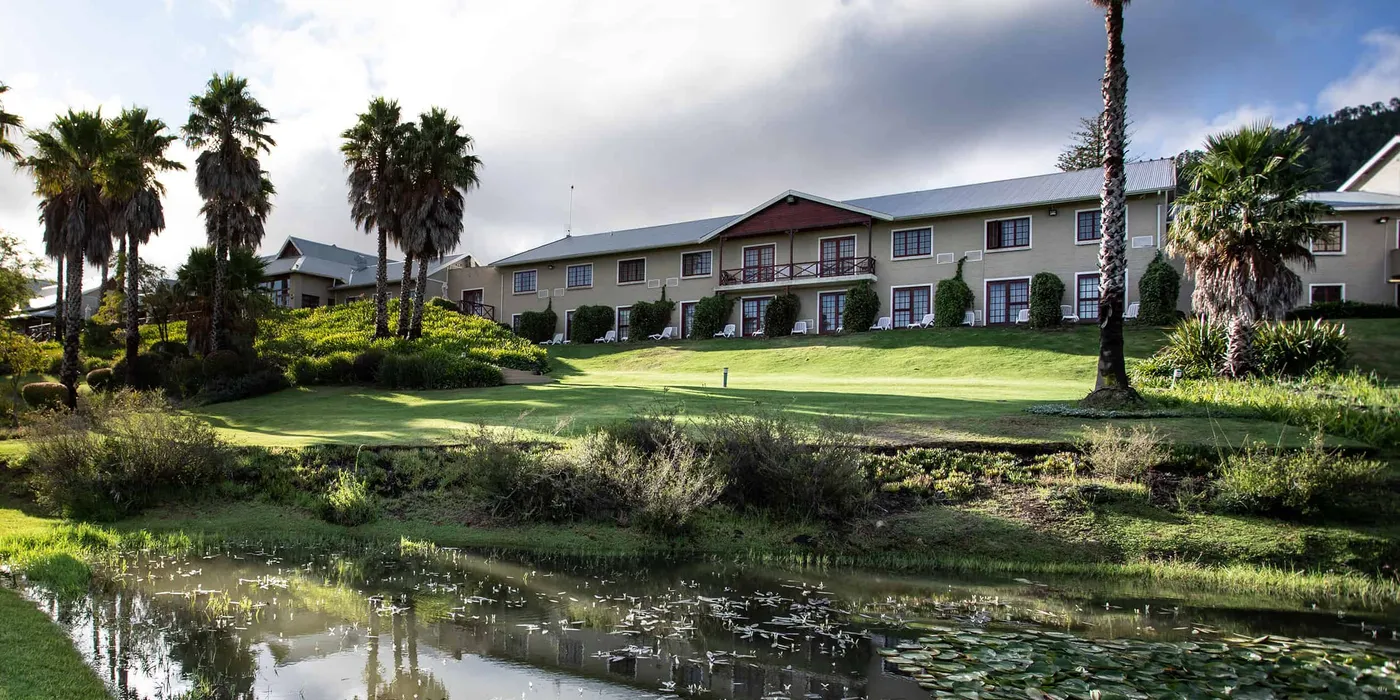
Adventure tourism is the wider sector. It includes experiences, businesses, destinations, operators, accommodation, equipment, training and supporting services.
An Adventure Tourist Guide is a specific role within that sector. In South Africa, tourist guiding is regulated. The Tourism Act definition focuses on a person who is registered as a tourist guide and who, for reward, accompanies someone travelling within or visiting a place in South Africa and provides information or commentary.
Who works in adventure tourism?
The sector includes Adventure Tourist Guides, ABL and LOTC practitioners, outdoor educators, instructors, assessors, operators, programme managers, venue teams, safety specialists, conservation educators, equipment suppliers, destination professionals and entrepreneurs.
The right pathway depends on the work being performed:
- Tourist guiding: recognised guiding preparation, activity-specific competence, first aid and provincial registration.
- ABL, LOTC and Outdoor Education: facilitation, programme and participant-care competence, plus training suited to the employer, activity and context.
- Technical instruction: deep activity competence and an appropriate instructor, trainer or assessor pathway.
- Operations and management: planning, staffing, risk, logistics, customer service, governance and business capability.
Where do ABL and LOTC fit?
LOTC means Learning Outside the Classroom. ABL means Adventure-Based Learning. These fields use experiences beyond the classroom or purposeful challenge and reflection to support learning, teamwork, leadership and personal development.
An ABL or LOTC practitioner is not automatically a tourist guide. They do not need guide training simply because a programme happens outdoors. Tourist-guide requirements may apply if their actual paid duties meet the legal definition, while employers, clients and insurers may set additional requirements.
Read the complete ABL and LOTC career guidance →Why professionalism matters
Adventure experiences rely on trust. Participants cannot always judge the competence behind an itinerary, briefing, piece of equipment or emergency plan. Professional practice makes that competence visible through appropriate qualifications, registration, technical scope, experience, ethics, first aid and continuous development.
For the public and operators, the right question is not simply “Are you qualified?” It is “Can you show current evidence that matches this activity, this environment, this participant group and this legal role?”
Frequently asked questions
What is the simplest definition of adventure tourism?
Travel centred on active or immersive experiences that involve discovery, challenge and appropriately managed risk.
What are examples of adventure tourism?
Examples include hiking, rafting, kayaking, climbing, caving, mountain biking, overlanding, adventure motorcycling and supported wilderness journeys.
What is the difference between hard and soft adventure tourism?
Soft adventure is generally more accessible and needs less specialist skill. Hard adventure generally carries greater physical, technical or environmental demands. Both still require appropriate planning and risk management.
Do you need a qualification to work in adventure tourism?
It depends on the role. Adventure Tourist Guides follow regulated qualification and registration requirements. Other roles depend on their duties, employer, activity, insurer and operating context.
Is outdoor education the same as adventure tourism?
No. They can overlap, but outdoor education is organised around learning outcomes, while tourism is organised around visitor and travel experiences. The actual duties determine which requirements apply.
Can an adventure guide also be a nature or culture guide?
Yes. Nature, culture and adventure are guiding specialisations, and the official register shows that some guides hold more than one. Each scope must be supported by the relevant competence and registration.
Continue exploring