Adventure Experiential Learning (AEL)
Uses adventure experiences, facilitated reflection and real-world application to support personal, group or organisational learning.

Professional guidance for adventure-based learning, outdoor education, school camps and experiential practice.
These fields overlap, and organisations sometimes use the terms differently. The definitions below provide a practical starting point for understanding the main emphasis of each approach.
LOTC stands for Learning Outside the Classroom. It includes structured learning beyond the conventional classroom, such as school excursions, camps, environmental education, expeditions and community-based experiences.
ABL stands for Adventure-Based Learning. It uses purposeful challenge, experience and reflection to support outcomes such as teamwork, leadership, confidence, communication and personal development.
Practitioners may draw on several related approaches in the same programme:
Uses adventure experiences, facilitated reflection and real-world application to support personal, group or organisational learning.
Connects purposeful adventure activities to educational outcomes such as problem-solving, leadership, resilience and collaboration.
Learning in, about and through outdoor environments. It may include curriculum learning, environmental awareness, practical skills and personal development.
A broader educational approach in which direct experience is followed by reflection, meaning-making and application. It does not have to take place outdoors.
Uses adventure or nature-based experiences within an intentional therapeutic process. It requires appropriate therapeutic qualifications, scope of practice and safeguards.
Builds understanding of natural systems, sustainability and people's relationship with the environment, often through place-based and outdoor learning.
These are descriptive field terms rather than interchangeable qualifications or legal registrations. A programme should state its purpose, who is facilitating it and what competence that role requires.
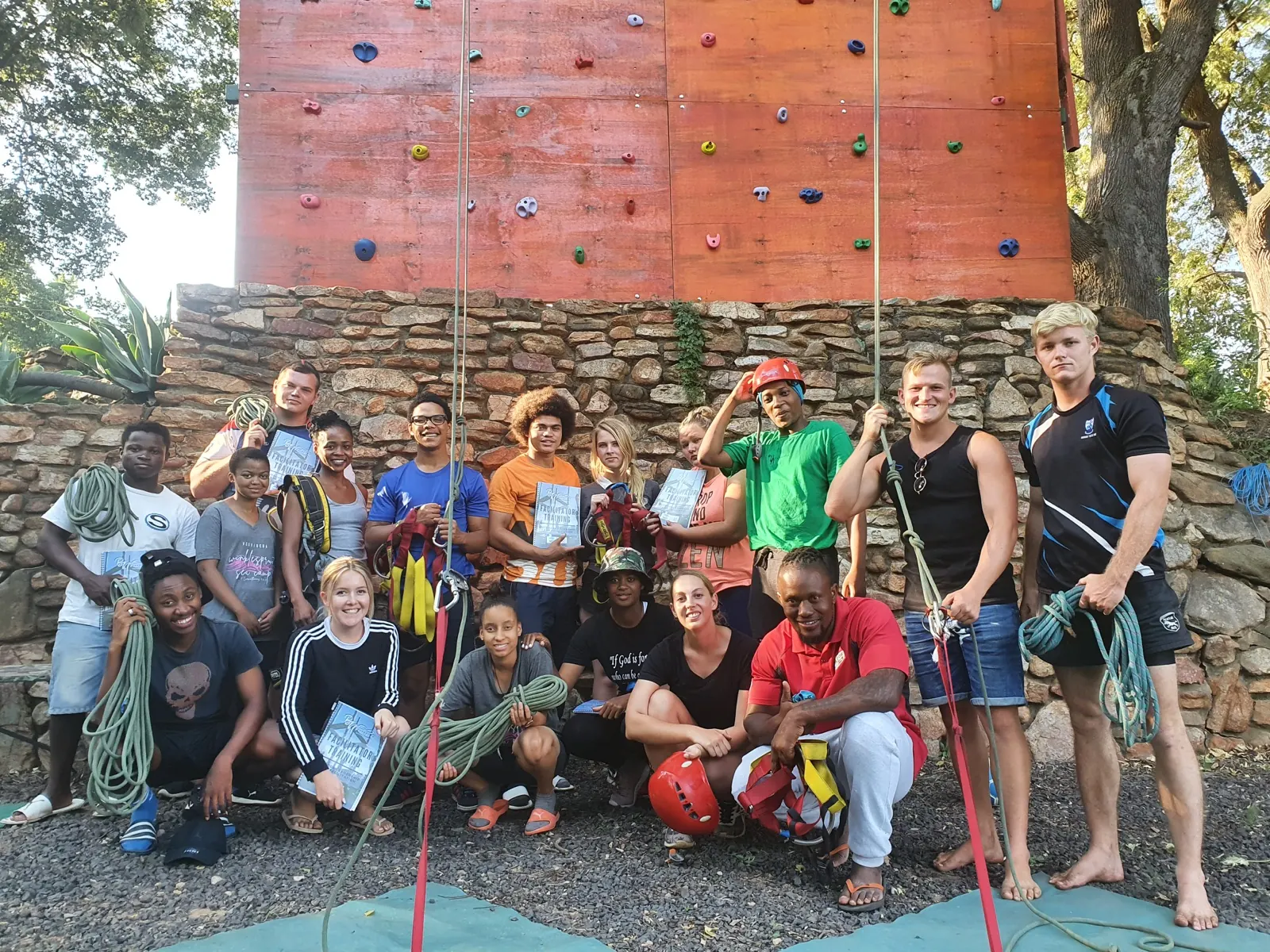
ABL and LOTC practice is not currently a regulated profession in South Africa. There is no single compulsory training route for every practitioner: the right preparation depends on the role, the employer, the programme and the activities being facilitated.
Routes can stand alone or be combined. Training should match the role and be supported by supervised experience, first aid, safeguarding, risk management and evidence of competence.
Organisations may train practitioners in their programme methods, procedures, equipment, sites and emergency plans, with clear scope, supervision and sign-off.
Associations, federations and clubs offer role- or activity-specific learning. Scope, recognition, renewal and entry requirements differ, so check what each programme supports.
Formal qualifications provide nationally recognised learning in facilitation and programme practice. Confirm current registration, enrolment dates and provider accreditation.
The government qualification-extension spreadsheet supplied to SA AIA contains the two records below with “ABL” in the title. Both are marked as extended for 24 months. Always confirm current enrolment dates and provider accreditation before registering.
| Reference | Qualification type | Name | NQF level | Credits |
|---|---|---|---|---|
| LP 60278 Recorded against SAQA 59201 | National Certificate learning programme | Generic Management: Adventure Based Learning | Level 5 | 162 |
| SAQA 65569 | Further Education and Training Certificate | Adventure Based Learning | Level 4 | 149 |
Why 60278 is labelled “LP”: it is the learning-programme ID for the ABL specialisation recorded against the broader National Certificate: Generic Management, SAQA ID 59201.
The National Diploma: Adventure Tourism Management (SAQA 72549) is a higher-education management qualification at NQF Level 6 with 360 credits. It is separate from ABL practitioner training, tourist-guide registration and activity-specific technical competence.
The historical National Diploma has passed its last enrolment and achievement dates. SAQA records it as replaced by the Diploma in Adventure Tourism Management (SAQA 100971). Prospective students should confirm the current programme and admission information directly with the institution.
View the SAQA record and replacement history →This page explains the evidence-based pathway for LOTC and ABL service providers—and helps schools, parents and commissioners distinguish membership from verified practice.
The provider is an SA AIA member and may appear in the directory. This is the starting point, not verification.
The provider is receiving readiness support and preparing evidence. No verification mark is awarded at this stage.
The provider has completed the evidence review and a successful site verification, earning the current mark.
Verification reviews the organisation's programme-delivery systems. It does not certify an individual's technical competence, accredit a training provider or qualification, replace the Technical Competency Framework, or remove any legal obligation.
A registered company must first hold Corporate Membership in good standing. Its company controller can then start and manage verification from the member portal.
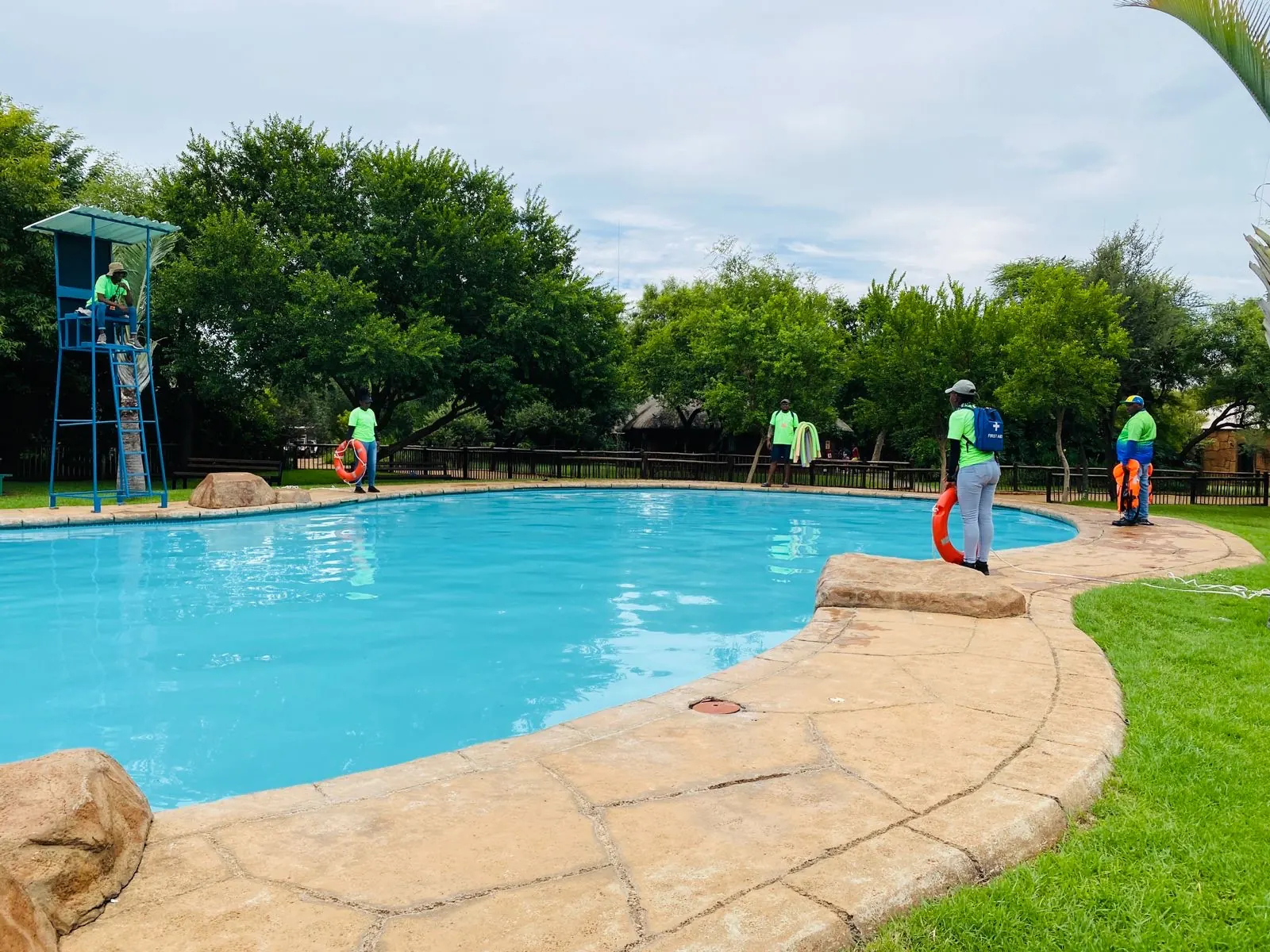
Good trips start long before departure. Schools, parents and providers share a duty to ask careful questions and agree on clear responsibilities.
Competence, screening, supervision ratios, safeguarding, medical needs and inclusion.
Learning aims, activity suitability, informed consent, equipment and communication.
Site hazards, weather, transport, emergency access, environmental care and local context.
Standards provide common language for planning, competence, communication and risk management. Organisations may also use other credible systems suited to their context and legal responsibilities.
ISO 31031:2024 gives guidance for organisations providing domestic or international activities, visits and trips for children and young people. It addresses the trip-planning process, risk treatment and emergency response, with specific attention to minors.
Use these one-page guides alongside the wider ABL/LOTC guidance. They are free to download, easy to share with staff and parents, and supported by related articles and chapter information.
A quick checklist of evidence to request from accommodation, catering, transport and activity providers before a school or youth trip.
Practical checks covering swimming ability, supervision, venue questions, boundaries and review for excursions involving water.
A strong programme connects intended outcomes to suitable activities, competent leaders, participant preparation and proportionate risk controls. Providers should be transparent about staff roles, legal status, qualifications and operating limits.
Explore Service Provider VerificationSA AIA’s professional-designation pathway is intended to recognise stages of professional growth for experiential education practitioners, including ABL, LOTC and Outdoor Education facilitators. Competency evidence, ethics and continued development form the foundation.
Explore designations