Understand the sector, explore career pathways and find a clear route through qualifications, activity competence, provincial registration and professional growth.
What is adventure tourism?
Adventure tourism combines travel with active, outdoor or nature-based experiences involving participation, discovery and managed risk. It ranges from accessible introductions to technically demanding activities. Adventure tourism is the wider sector; Adventure Tourist Guide is a specific regulated role within it.
What is an Adventure Tourist Guide?
An Adventure Tourist Guide leads safe, educational and memorable visitor experiences in outdoor environments. Adventure is one of South Africa’s three main tourist-guiding specialisations, alongside nature and culture. Guides must work within the scope shown by their qualification, competence and official registration.
Important:
A technical activity certificate alone does not make someone a legally registered tourist guide. The required tourist-guiding qualification and provincial registration still apply.
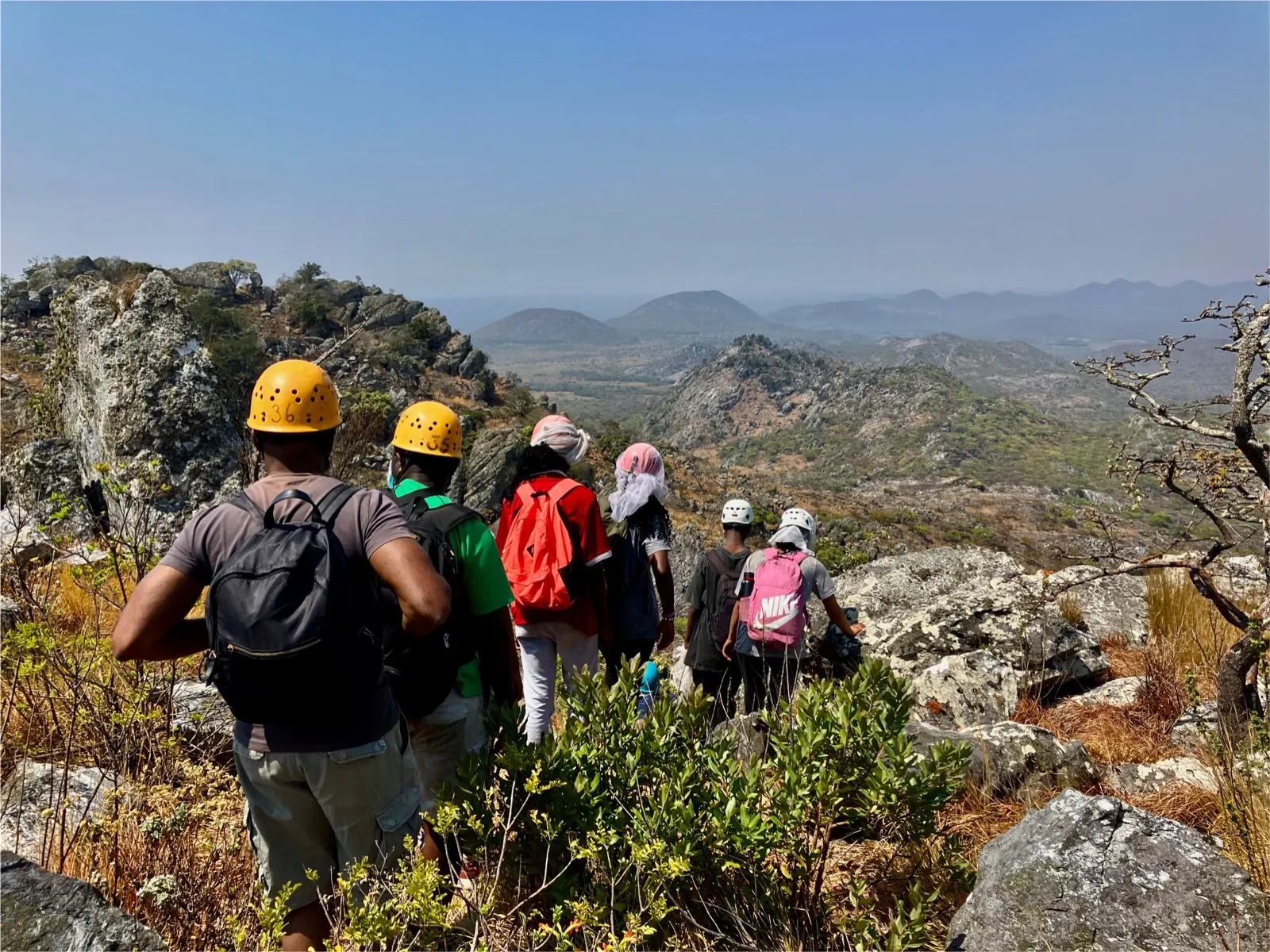
Adventure experiences are shaped by activity, place and the people taking part.
How South Africa’s guiding system fits together
Tourist guiding is regulated under the Tourism Act. A guide who accompanies visitors for reward and provides information or commentary must meet the applicable requirements. Provincial Registrars administer registration, which is recorded on the Department of Tourism’s central register.
REGISTRATION CATEGORY
Site, provincial or national
These categories describe the geographical scope for which a tourist guide is registered.
SPECIALISATION
Nature, culture or adventure
These describe the main areas of guiding practice. A guide may hold more than one specialisation.
TECHNICAL SCOPE
Activity-specific competence
Adventure guides also need competence for the particular activities and environments in which they work.
Where ABL and LOTC fit:
An ABL or LOTC practitioner is not automatically a tourist guide and does not need tourist-guide training merely because the work takes place outdoors. Tourist-guide requirements may apply when the person’s actual paid role falls within the Tourism Act definition. If the boundary is unclear, confirm the role with the relevant Provincial Registrar.
Read the ABL/LOTC career guidance →
Starting point
Complete an accepted guiding qualification.
Choose one of the two accepted options: the Generic Adventure Site Guide (GASG) Skills Programme or the FETC: Tourist Guiding National Certificate with an adventure specialisation. Before enrolling, confirm the option with the relevant Provincial Registrar. Then register as a learner with a CATHSSETA-accredited training provider and ensure that the provider enrols you with CATHSSETA.
Build experience
Build activity-specific competence.
Train in the adventure specialisation you intend to guide and keep evidence of experience, normally including a logbook.
Prove readiness
Complete assessment and first aid.
Demonstrate guiding and technical competence, and hold an accredited first-aid certificate accepted for registration. Although no particular first-aid level or type is prescribed, duty of care means being prepared for the risks of the activity and environment. SA AIA recommends wilderness-based first aid, especially where professional medical help may be an hour or more away. Employers and operators may set stricter requirements.
Legal milestone
Register with the Provincial Registrar.
Apply in the province where you will be registered and keep your registration current.
Professional journey
Keep developing beyond registration.
Maintain your registration, activity logbook, technical competence and first-aid certification. Continue with relevant CPD and work toward professional designation.
Provincial tourist-guide registration
Confirm current forms, fees and requirements with the relevant Provincial Registrar before applying.
South African citizenship or a valid work permit
Completion of an accepted guiding skills programme or qualification through an appropriately accredited provider
A valid first-aid certificate from an accepted QCTO- or Department of Labour-recognised service provider
The completed provincial application, prescribed fee and four passport photographs
A signed tourist-guide Code of Conduct and Ethics
Current Department guidance states that registration is renewable every three years. The central register shows each guide’s scope and validity date.
Legal registration and professional recognition are different checks.
The Department of Tourism register confirms whether a guide is legally registered. The SA AIA Professional Directory includes certified guides and other recognised professionals, and will identify designated guides who demonstrate practice beyond minimum legal compliance through current competence, ethical accountability and continuing professional development.
Adventure specialisations
The SA AIA Technical Competency Framework defines activity-specific scope, skills, training and assessment expectations across these specialisations.
Browse technical activities and documents →
Land & mountain
Hiking, trekking, mountaineering, climbing, abseiling, caving and mountain biking.
Water
River guiding, rafting, canoeing, kayaking, sailing, diving and coastal activities.
Vehicle & specialist
4×4 and overlanding, quad biking, horse trails, target activities and other defined scopes.
Safeguarding people in adventure programmes
Technical competence and physical risk management are essential, but they do not address every kind of harm. Adventure guides, instructors, operators and training providers also need clear professional boundaries, appropriate reporting routes and organisational practices that protect participants' dignity and wellbeing.
Safeguarding does not remove challenge or adventure. It helps organisations distinguish appropriate challenge from coercion, humiliation, exclusion and other avoidable harm.
Explore SA AIA's safeguarding guidance →
For operators and training providers
Operators should verify legal registration and competence for every assigned scope, maintain appropriate risk and emergency systems, and market services accurately. SA AIA’s Skills Development Partner and Instructor/Trainer accreditation programme begins with 4×4 Off-Road Technical Skills and will phase into additional disciplines.
Still planning a venue or activity business?
Our starting an adventure park or outdoor centre guide maps the first questions about land use, equipment, people, insurance and ongoing operation. It is open to non-members too.